Principal Partner: Dr. Kumud Rana
12th - 17th July 2025
In collaboration with Dev Narayan Chaudhary or ‘Devyani’ from Human Welfare Society in Itahari, Muskan Shrestha from Pariwartanshil Samaj in Biratnagar), Sheelasha Rajbhandari and Priyankar Chand from Kala-Kulo in Kathmandu, and Kailash Rai from Indigenous Without Borders
The ‘Queer Indigeneity and Heritage-Making Practices in Nepal’ outreach project funded by HaP was aimed at highlighting queer marginalised voices to understand what it means to be both queer and Indigenous in Nepal. It aimed to do so by carrying out two creative workshops to explore how Indigeneity and queerness might shape the identities, lives and performative practices of transfeminine dancers in the eastern Terai of Nepal, particularly in Itahari and Biratnagar.
The two one-day workshops took place on 14 and 16 July – the first for a mix of dancers who lived in and around Itahari and the other for those in Biratnagar. Each workshop consisted of 20 participants who were grouped into teams based on the type of performances they normally conducted so we could gain more insights about the experiences of various groups of performers – i.e. Natuwa toli, Badhai toli, Challa toli and DJ toli. Participants in each of the workshops were hence divided into three teams consisting of members who usually worked together. Kumud, Sheelasha and Kailash assumed the role of facilitators and guided each group through the exercises, additionally, staff members from Human Welfare Society (Itahari) and Parivartanshil Samaj (Biratnagar) providing support with translation and interpretation in the respective workshops when required. Kala-Kulo was responsible for the design and publication of a zine from the creative outputs of the workshop.
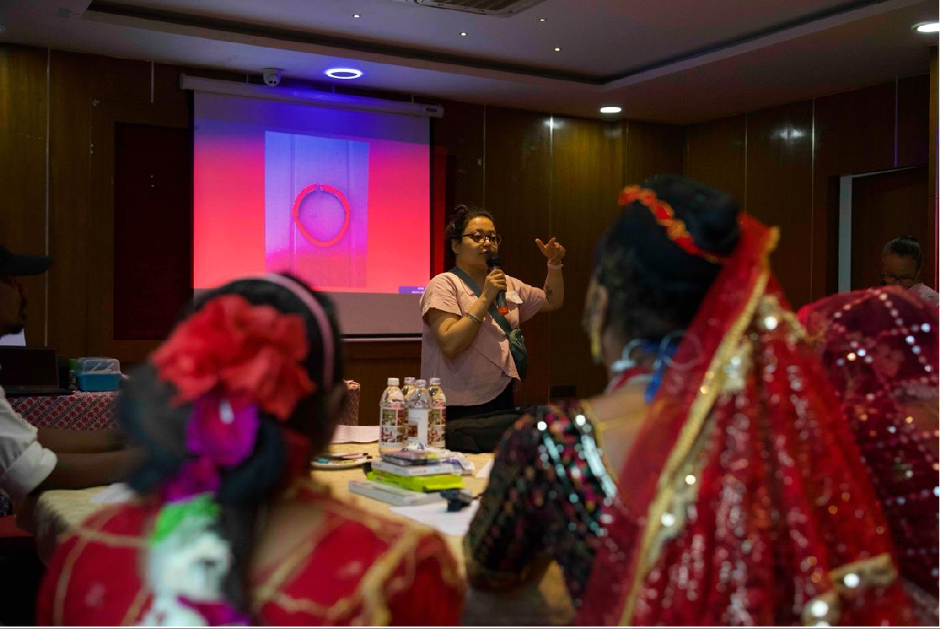
Figure 1: We asked participants to bring an object of significance to them so they could talk about it during their introduction. Here Kumud talks about the panchadhaatu bangle that she wears as a reminder of her Newar heritage
Three different verbal and visual storytelling methods were employed to capture the narratives of participants in the form of drawings, writings and prints. The activities were designed so that the collages produced could be put together into a zine alongside the stories of the participants. The three methods we finalised on were:
(1) the Tree of Life, aimed at understanding how the varied backgrounds of participants on the basis of their gender, ethnicity, religion, education, socio- economic status and so on might have shaped who they are today.
(2) a Counter-mapping exercise, aimed at understanding their relation to different places as performers, and their positive as well as negative experiences in these places.
(3) a Self-Portrait exercise, aimed at giving free reign to their imagination of what they might think of as a good life for themselves as queer and Indigenous people.
The three facilitators planned and trialled each of these exercises over the course of three days in Kathmandu in early July, alongside other planning meetings with the team at Kala- Kulo.
The workshops
The Tree of Life required participants to reflect on their ‘roots’ and write down the various factors that comprised these roots – this could be their gender, ethnicity, caste, socio-economic status, family background and so on. Participants were then asked how this had shaped them as a person (the trunk of the tree) and the directions of their life (represented by the branches). The fruits represented what they saw as their achievements in life whereas any failures could be represented by parts of the tree that had not flourished. These various elements of the tree and the requirement that they use written words to record at least some of this narrative proved to be a complicated task.
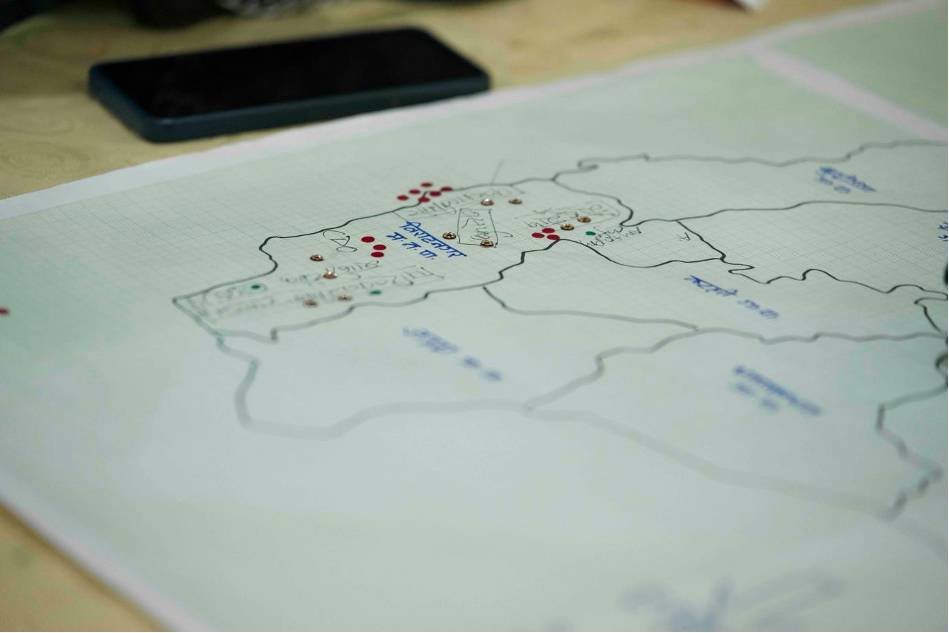
Figure 2: Part of a queer counter map marking places of safety and violence for transfeminine performers in Biratnagar
The counter-mapping exercise proved to be the easiest to manage since it did not require much writing except for the names of places. It was also based on group discussions so only one person needed to be able to write. Participants were provided maps of the district they lived/worked in that we had drawn on chart papers the day before. They were asked to locate places of significance for them as a group – i.e. places with positive connotations like where they worked, socialised and so on. They were asked to mark these places on the map with a green tika/bindi and write the names of the places. They were also asked to locate places with negative connotations – i.e. places where they might have experienced violence or discrimination. They were asked to mark these places on the map with red tikas. This exercise on both workshops created compelling visualisations of how physical spaces were experienced by transfeminine dancers from some of the most marginalised groups in Nepal. The general agreement seemed to be that the safest spaces were in urban localities where the BDS partner organisations operated and had some influence. In contrast, the most unsafe locations were those located in more rural areas and in far- away places where LGBT rights advocacy was not prominent.
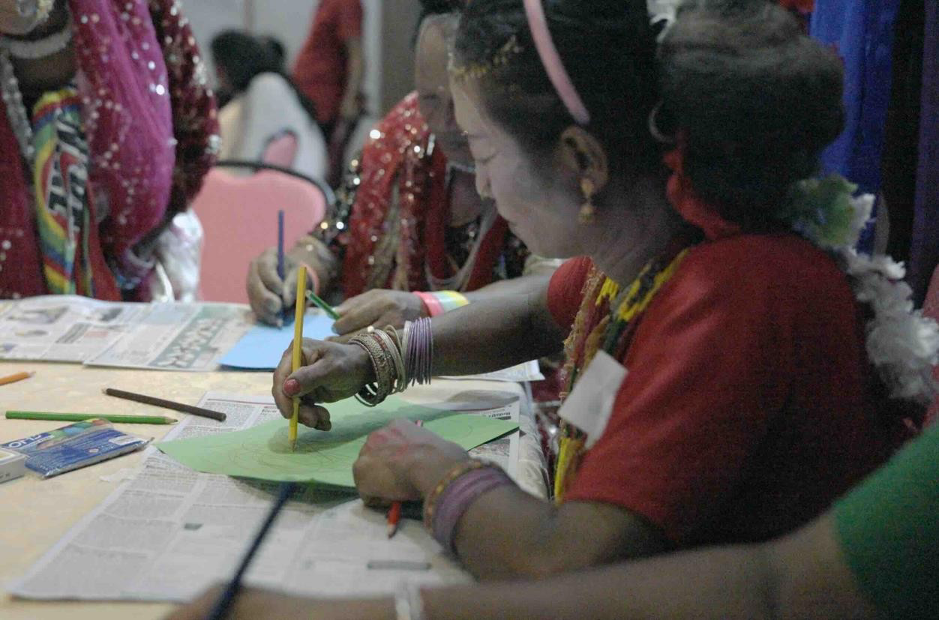
Figure 3: Free-drawing exercise to focus participants' attention on therapeutic movements and to challenge dominant understandings of what art should be about and look like
Finally, The self-portrait exercise showed us how it was possible to tap into our inner thoughts using art as a medium of expression as participants were given free reign to visually produce their own idea of what a good life might look like for them as individuals identifying as queer and indigenous. The piloting of the Tree of Life in the facilitation of this exercise so that it could be simplified for the participants.
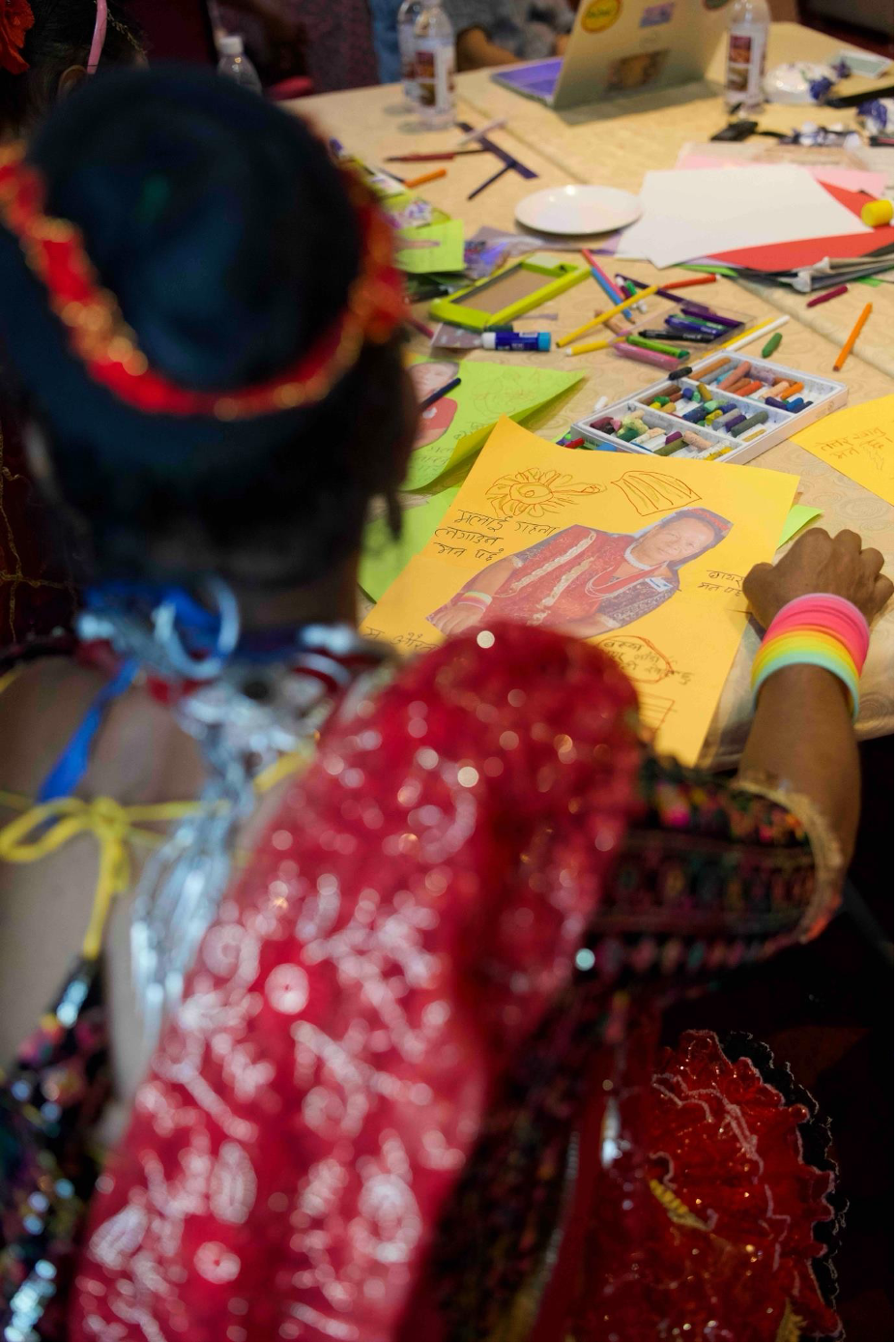
Figure 4: A Tharu natuwa finishing their self-portrait
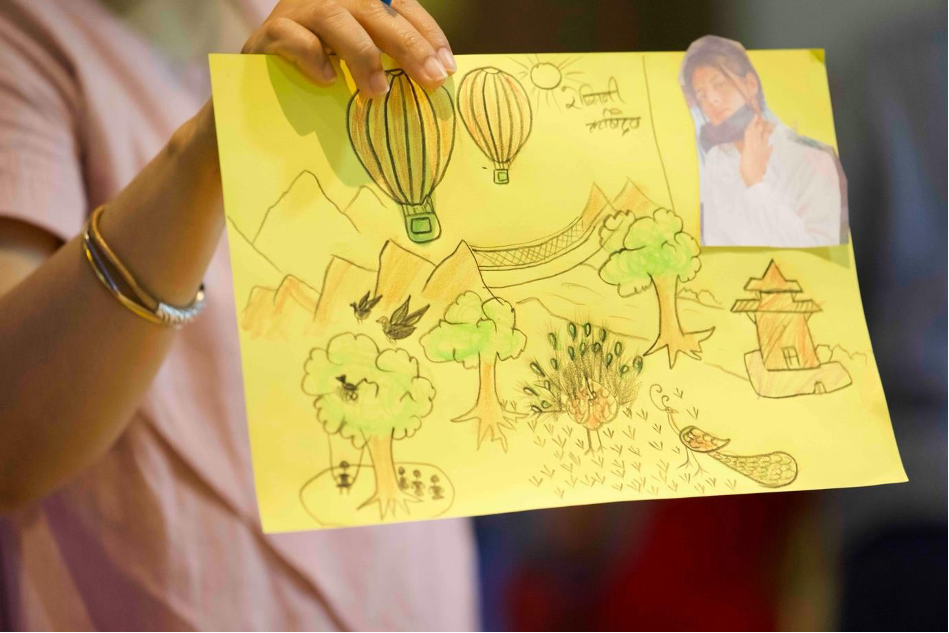
Figure 5: A young DJ dancer imagines what she would like her ideal life to be like. Themes of community, belonging and having their own homes stood out the most in this exercise.
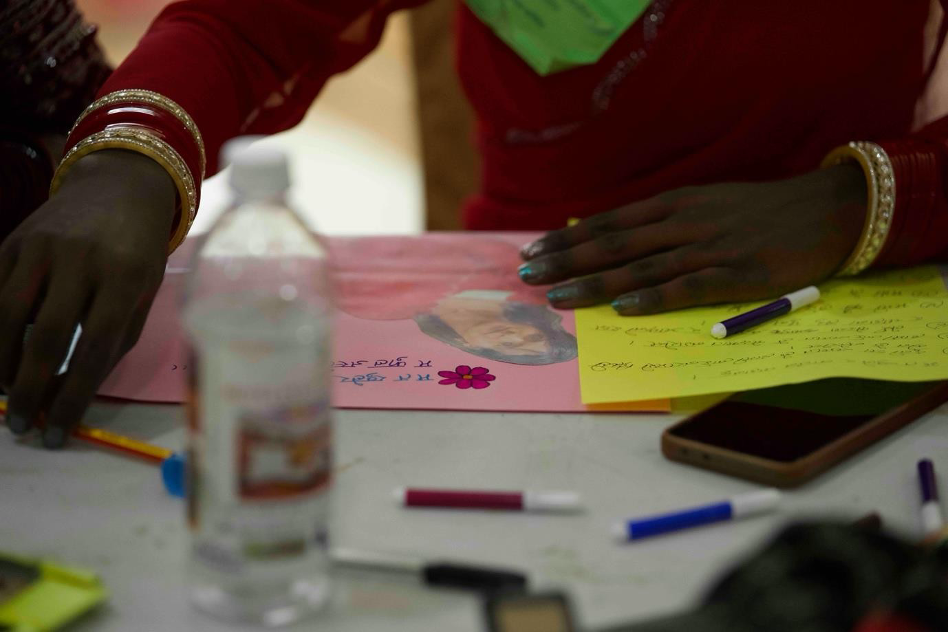
Figure 6: A young DJ dancer creating her self-portrait
The workshops ended in consultation meetings with partners in Itahari and Biratnagar. The workshop took place in Itahari upon Devyani’s advice so as to simplify the process of finding a suitable venue. Itahari thus became the base with one day of travel to Biratnagar. We had a final consultation meeting in Itahari with partners on the morning of the 17th before leaving for Kathmandu by the afternoon. During all of these days, the facilitation team discussed the larger project, the workshops and the outcomes of our field visit during the mornings and evenings when we came together for meetings and meals.